
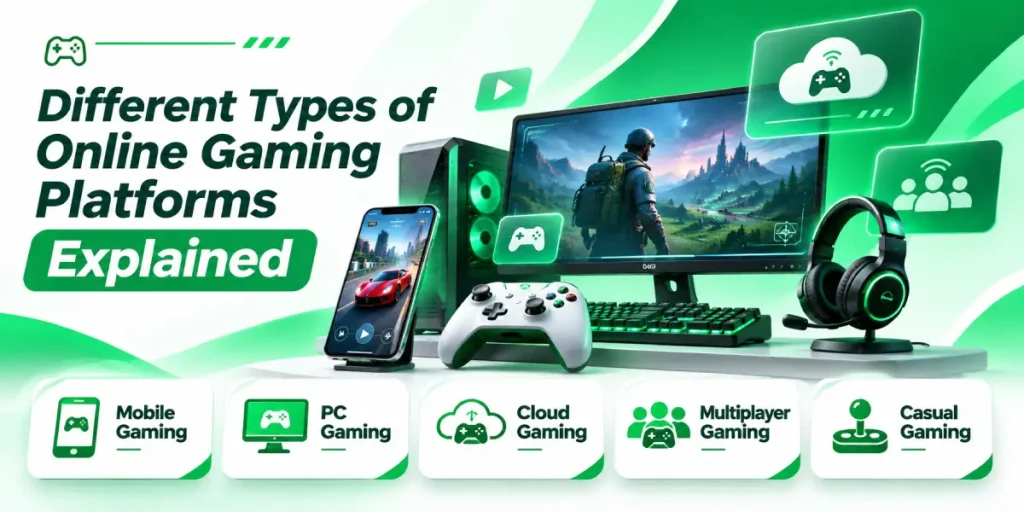
Online gaming has become a popular form of digital entertainment. People can now play different types of games using smartphones, computers, tablets, and other internet-connected devices. From simple puzzle games to competitive multiplayer matches, there are many options available for different interests and age groups.
However, not every gaming platform offers the same experience. Some focus on casual entertainment, while others provide competitive gameplay, social interaction, educational activities, or reward-based features. Understanding the different types of online gaming can help players choose an option that matches their interests, device, and expectations.
Mobile Gaming Platforms
Mobile gaming platforms allow users to play games directly on smartphones and tablets. They are among the most accessible options because players can enjoy games from almost anywhere with an internet connection. These platforms usually offer different categories, including puzzles, racing, action, strategy, sports, and casual games.
Some games can be played without creating an account, while others require registration to save progress or access additional features. Mobile gaming platforms are generally available through official app stores or browser-based versions. Before installing an application, users should check its developer information, permissions, ratings, and reviews.
Browser-Based Online Gaming Platforms
Browser-based gaming platforms allow users to play games directly through a web browser. They usually do not require a separate application download, making them convenient for people who want quick access to online entertainment.
These platforms may include:
- Puzzle and brain-training games
- Card and board games
- Multiplayer challenges
- Racing and arcade games
- Strategy-based games
One major advantage of browser-based platforms is their accessibility. Users can open a supported website on a mobile phone, laptop, or desktop computer.
However, the experience may depend on internet speed, browser compatibility, and device performance. Players should also check whether a website uses secure connections and provides clear information about its services.
Multiplayer Online Gaming Platforms
Multiplayer gaming platforms allow several players to participate in the same game. Instead of playing alone against computer-controlled opponents, users can compete or cooperate with other people through an internet connection.
These platforms are popular among people who enjoy teamwork, competition, and social interaction.
Some common multiplayer gaming categories include:
- Battle and action games: Players compete against opponents in different virtual environments.
- Sports games: Users participate in digital versions of football, cricket, racing, and other sports.
- Strategy games: Players develop plans and make decisions to complete objectives.
- Cooperative games: Participants work together to achieve a shared goal.
Many multiplayer platforms also include chat features, leaderboards, tournaments, and player communities. Users should follow community guidelines and avoid sharing personal information with strangers.
Casual and Social Gaming Platforms
Casual gaming platforms focus on simple gameplay and entertainment. They are suitable for people who prefer short gaming sessions instead of complicated controls or lengthy challenges.
Popular examples include word puzzles, matching games, quizzes, card games, and simple arcade activities.
Social gaming platforms add communication features to the gaming experience. Players may connect with friends, share achievements, participate in group activities, or invite others to join a game.
These Online Gaming Platforms often have easy-to-understand interfaces, making them accessible to beginners. Some are free to use, while others offer optional purchases, subscriptions, or advertisements.
Before making any payment, users should understand what they are purchasing and whether the features are necessary for playing.
Skill-Based Gaming Platforms
Skill-based gaming platforms focus on a player’s knowledge, strategy, practice, and decision-making abilities. The outcome may depend on how effectively someone understands the rules and uses their skills. Examples include chess, quizzes, puzzle competitions, strategy challenges, and certain sports-based games.
These platforms can help players practise problem-solving, improve concentration, and develop strategic thinking. Some also organise competitions where participants compare their performance through scores or rankings. It is important to understand the difference between skill-based entertainment and games involving financial stakes. A platform should clearly explain its rules, participation requirements, fees, and prize conditions.
Online Earning and Reward-Based Gaming Platforms
Some gaming platforms provide reward-based features alongside entertainment. These may include achievement points, promotional rewards, gift cards, loyalty benefits, or competition prizes.
People searching for an online games earn money app should understand that not every application offering rewards provides actual cash payments. Some rewards may have specific conditions, minimum redemption limits, or withdrawal requirements.
An online earning game may also involve paid competitions or other financial features. Such activities carry risks, and there is no guarantee of receiving money or making a profit.
Before using these services, check:
- Whether the platform clearly explains its reward system.
- Whether withdrawal and redemption conditions are available.
- Whether any registration or participation fees apply.
- Whether the platform follows applicable local laws.
- Whether independent reviews identify any common complaints.
The term online earning games covers different types of reward-based experiences, so users should carefully understand the platform before participating. Never treat gaming as a reliable source of income or share banking details with unverified services.
Esports and Competitive Gaming Platforms
Esports platforms are designed for organised and competitive gaming. They bring players together through tournaments, leagues, team competitions, and ranking systems.
Unlike casual gaming, competitive platforms often focus on performance, training, and organised matches. Players may participate individually or as part of a team.
These platforms can also provide live match updates, player statistics, tournament schedules, and community discussions.
Esports has created opportunities for people interested in competitive gaming, content creation, and game-related careers. However, becoming a professional player requires regular practice, dedication, and strong gaming skills.
Regional and Country-Specific Gaming Platforms
Some gaming platforms are developed for particular countries or regions. They may provide local language support, familiar game categories, regional payment options, and features designed around local audiences.
For example, someone searching for a Pakistani game may find platforms featuring regional entertainment preferences, local communities, or games popular among players in Pakistan.
Similarly, other country-specific platforms may focus on their local audiences and provide regionally relevant services.
When choosing these platforms, users should check their availability, developer details, privacy policies, age requirements, and compliance with local regulations. A platform being popular in a particular country does not automatically mean it is safe or officially approved.
How to Choose the Right Online Gaming Platform
Choosing between different Online Gaming Platforms depends on personal interests and the type of experience someone wants.
Consider the following points before getting started:
- Understand your interests: Decide whether you prefer casual, multiplayer, educational, competitive, or strategy-based games.
- Check device compatibility: Make sure the platform works properly on your smartphone, tablet, or computer.
- Review security features: Look for secure login options, privacy policies, and reliable customer support.
- Understand the costs: Check for subscriptions, in-app purchases, advertisements, and participation fees.
- Read user reviews: Feedback can help you understand common technical issues and user experiences.
- Check local rules: Make sure the platform and its activities are permitted in your location.
A suitable platform should provide clear information about its features and policies without making unrealistic promises.
Conclusion
There are many types of Online Gaming Platforms, and each serves a different purpose. Mobile and browser-based platforms offer convenience, multiplayer games encourage social interaction, and skill-based platforms focus on strategy and practice. Other options include esports, educational, regional, and reward-based gaming services.
Understanding these categories makes it easier to compare available options and select a platform that matches your interests. Always prioritise security, responsible gaming, transparent policies, and age-appropriate entertainment when exploring online gaming.
Frequently Asked Questions (FAQs)
Q1. What are Online Gaming Platforms?
Online Gaming Platforms are digital services that allow people to access and play games through an internet connection using smartphones, computers, tablets, or web browsers.
Q2. What are the main types of online gaming platforms?
The main types include mobile gaming, browser-based gaming, multiplayer gaming, casual gaming, skill-based gaming, esports, educational gaming, and reward-based platforms.
Q3. Can I play online games without downloading an application?
Yes. Many browser-based gaming platforms allow users to play directly through a website without installing a separate application.
Q4. Are online earning games safe to use?
Safety depends on the platform. Check its reputation, privacy policy, payment conditions, security features, and legal status before using any service involving rewards or money.
Q5. How can beginners choose an online gaming platform?
Beginners should consider their interests, device compatibility, game rules, user reviews, security features, and costs before selecting a platform.